

Key Distinctions Within the Ragdoll Breed: Ragdoll & Cherubim
While Ragdolls and Cherubims share a common ancestry and many beloved traits, there are a few important differences families should understand.
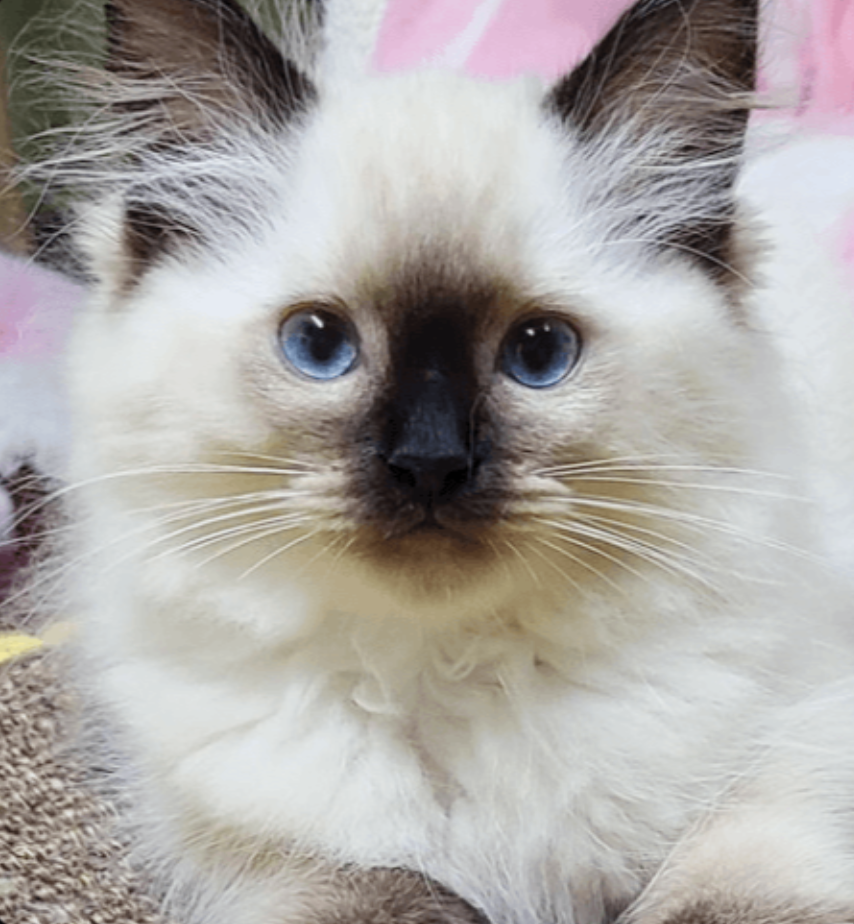
Blue-Eyed Ragdoll
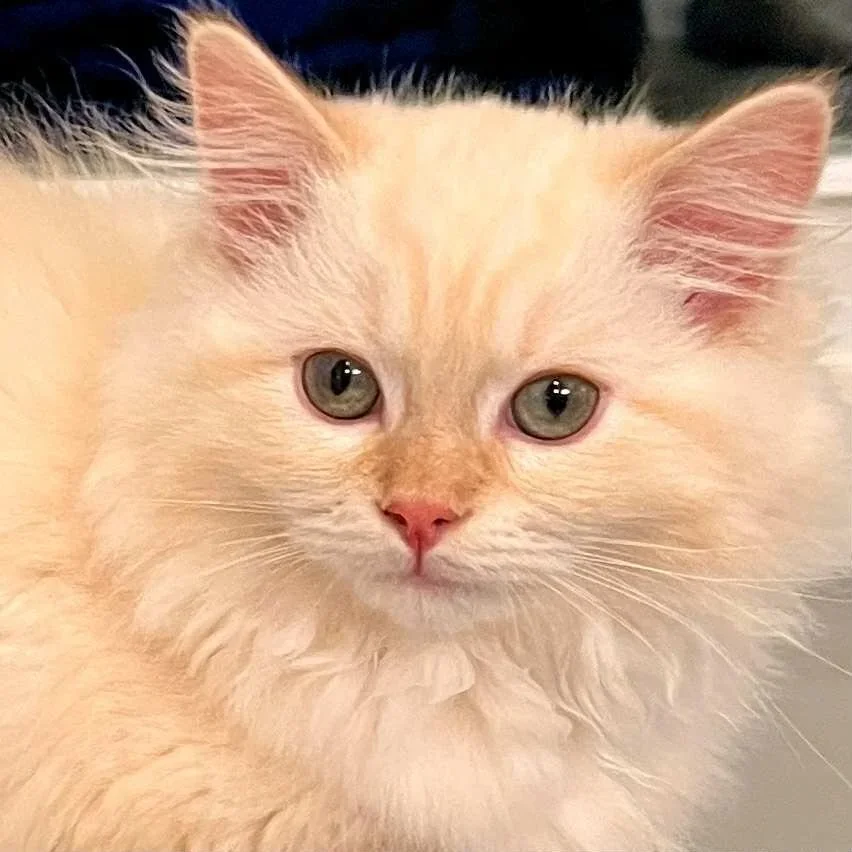
Cherubim Ragdoll

Breed Recognition
Ragdoll: Recognized by major cat registries under the modern Ragdoll breed standard.
Cherubim: Recognized by select registries as a traditional Ragdoll sub-category, allowing traits not accepted in the current show standard.

Coat & Pattern Acceptance
Ragdoll: Limited to standardized colors and patterns defined by modern breed standards.
Cherubim: Includes traditional Ragdoll colors and patterns that fall outside the current show-accepted Ragdoll standard.

Eye Color
Ragdoll: Always have blue eyes as required by the Ragdoll breed standard.
Cherubim: May have any eye color, depending on pattern and genetic background within the traditional Ragdoll lines.
Eye color reflects standard classification, not temperament or companionship quality.

Breed Philosophy
Ragdoll: Represents the modern, standardized evolution of the breed.
Cherubim: Preserves traditional Ragdoll traits that predate modern standard restrictions.

Physical Expression
Ragdoll: Often has a more refined, uniform appearance based on current standards.
Cherubim: May display greater variation in coat pattern and expression while maintaining the same gentle structure.

Temperament
Both breeds share the same foundational temperament — affectionate, people-oriented, gentle, and adaptable.
Personality differences are individual, not breed-driven, and are shaped more by early socialization and environment than by registry classification.

Placement Considerations
Ragdoll vs. Cherubim placement is not about “better or worse.”
Ethical breeders focus on health, temperament, and family compatibility, regardless of breed classification.